Safe Driving Practices
Adopting safe driving practices is crucial for protecting yourself, your passengers, and everyone else on the road. Many crashes are preventable and are often linked to behaviours like speeding, aggression, distraction, or driving while impaired. Understanding the risks, consequences, and relevant laws, and committing to safer habits, can make a significant difference. This section provides essential information and tips on key safe driving practices. MKJR is committed to promoting these practices through education and awareness across Malaysia.
Focus on the Road, Not Your Phone
Distracted driving is any activity that diverts your attention from the primary task of safe driving. This includes visual (eyes off road), manual (hands off wheel), and cognitive (mind off driving) distractions. Mobile phone use is a major culprit, but other distractions like eating, adjusting controls, or intense conversations also pose significant risks.
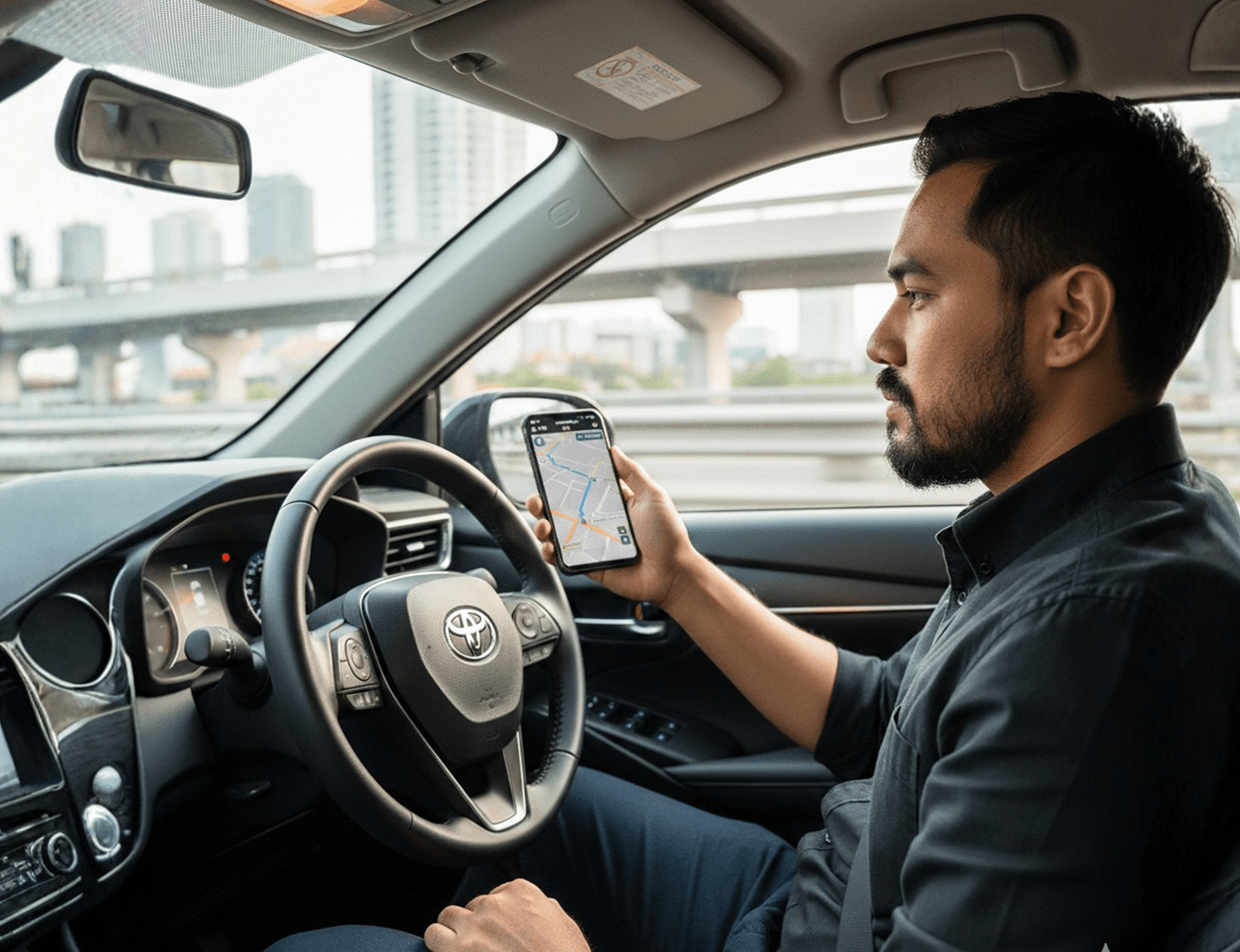
Why is Distraction Dangerous?
Even a few seconds of distraction can be deadly. Stay focused, keep your eyes on the road, and hands on the wheel.

Inattention Blindness
Even if looking ahead, your brain may not process hazards if mentally distracted.

Delayed Reactions
Distraction significantly slows your reaction time to sudden events.

Loss of Control
Taking hands off the wheel or eyes off the road can lead to swerving or lane departure.

Global Risk
Studies worldwide (like NHTSA’s finding that texting takes eyes off the road for 5 seconds) confirm the universal danger. Driving at 90 km/h for 5 seconds means travelling over 120 meters blind!
What You Need to Know About Phone Use While Driving
Rule 17A of the Road Traffic Rules 1959 prohibits holding or using a mobile phone or communication device while driving. While hands-free systems are allowed, they can still cause cognitive distraction. Violating this rule may result in fines and demerit points.
Tips to Avoid Distracted Driving
Stay focused, stay safe by keep your phone away and distractions at bay while driving.

Phone Away
Put your phone on silent and out of sight/reach (e.g., glove box, bag). Use “driving mode” if available.

Set Up Before Driving
Input navigation destinations, adjust music playlists, and make essential calls before you start driving.

Minimize Hands-Free Use
Keep calls brief and avoid complex or emotional conversations. Voice commands can help, but still distract mentally.

Limit Other Distractions
Avoid eating, grooming, or complex interactions with passengers while driving. Secure pets properly.

Pull Over Safely
If you must take a call, text, or deal with a significant distraction, find a safe place to pull over first.